What an AI Ad Copy Generator Does (and How to Pick One)
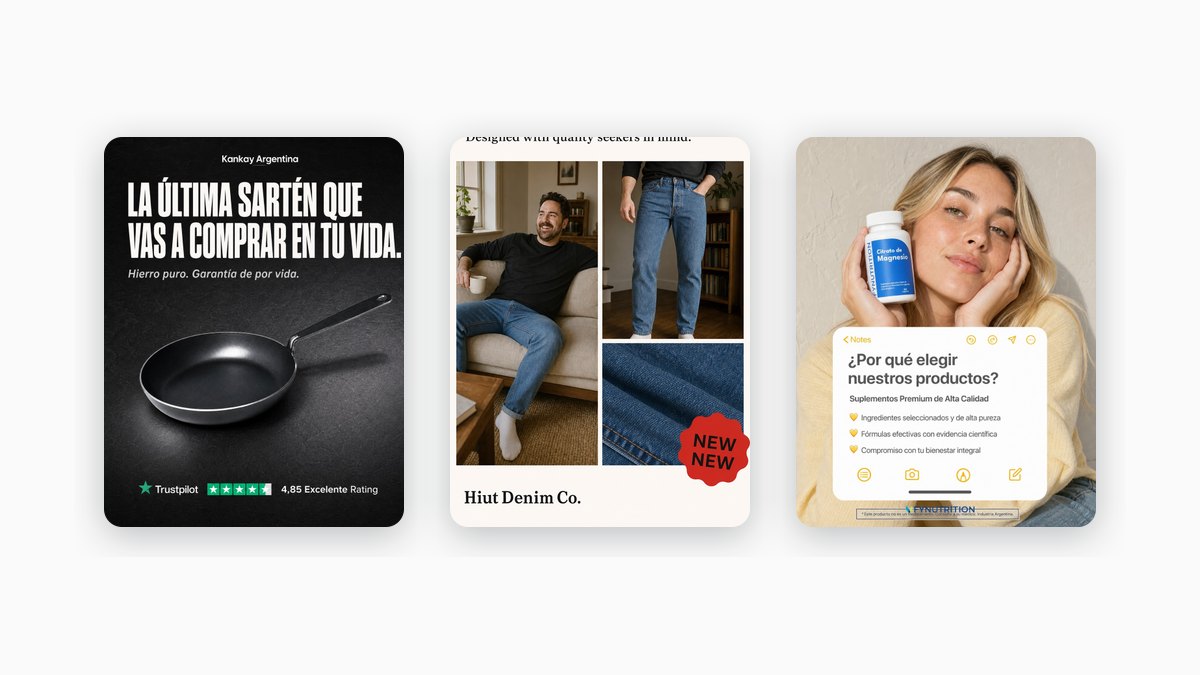
The words in an ad do a specific job: stop the scroll, name the promise, and ask for the click. Get them wrong and a sharp-looking creative still gets skipped. Common Thread Collective puts a number on how much the creative decides: "56% of all outcomes on Meta are driven solely by creative." An AI ad copy generator exists to produce those words on demand, so you can test ten angles in a week instead of staring at a blank text box. This guide covers what these tools do, what separates copy that sells from filler, and how to tell the tools apart before you subscribe.
What an AI ad copy generator is
An AI ad copy generator takes a short input and hands back the text for an ad. You give it a product, a link, or a rough idea, and it writes the headline, the body, and the call to action, usually in several variants so you can pick or test. Most tools let you set a tone and a length, and some pull details from your product page so the copy names the real thing you sell instead of a placeholder.
The line between an AI ad copy generator and a general AI writer is the target. A general writer drafts blog posts, emails, and captions at any length. An ad copy generator is tuned for the short, structured formats an ad uses: a hook that fits one line, a body that survives a three-second read, and a CTA that maps to a button.
Why the ad copy carries weight
Copy is not decoration on top of the image; it is half the message. Google data cited by Meta for Business found that 70% of a campaign's success is determined by the creative, the words and the visual together. That is the case for treating copy as a lever you pull on purpose, and for generating enough versions to find the angle that lands rather than shipping the first draft.
What good ad copy needs
A generator is only as useful as your ability to judge what it returns. Four points from Shopify's copywriting guide hold up across ad formats:
- Lead with the benefit, not the feature. Shopify notes that "most purchases are emotionally driven," so the copy should say what the product does for the reader before it lists specs.
- Cut the fluff. Empty words like "world-class" or "innovative" take up space without earning attention. As the guide puts it, "the fewer words, the better. Punchy sentences are easier to read."
- Use the customer's own language. Copy that mirrors how buyers actually talk reads as written for them, not at them.
- Back the claim with proof. A testimonial or a review number turns an assertion into evidence.
Hold whatever a generator returns against these. If a variant is vague, feature-heavy, or padded, it fails on the fundamentals no matter how fast it was written.
The types of AI ad copy generators
Sort the field by what a tool is built to output, not by whose logo is on it. Four groups cover most of what you will run into, and a side-by-side of specific tools lives in the roundup of AI ad generators.
- General AI marketing platforms. Jasper and Copy.ai write across the whole funnel, from blogs to emails to social. Jasper now frames itself around AI marketing agents, and Copy.ai positions as a go-to-market platform for sales and marketing, so ad copy is one output among many rather than the whole product.
- Performance-scored copy tools. Anyword generates copy and predicts which variant is likely to perform before you publish, which helps when you are choosing between drafts.
- Ad-creative suites that also write copy. AdCreative.ai generates the headline and description alongside the image, so the words and the visual come out of one pass instead of two tools.
- Benchmark makers. These start from an ad that already won and reuse its copy formula, the shape of the message, then fill it with your brand. A swipe file is "a library of creative marketing assets across all sources and mediums," and a benchmark maker folds that collected structure straight into the output. Marketools (ours) works this way, covered below.
What to look for in an AI ad copy generator
Three questions narrow the field quickly.
- Copy only, or copy plus the visual? A pure copy tool leaves you to design the ad and drop the text in yourself. A tool that writes the copy and builds the image together saves the handoff, which matters if a headline and its layout need to fit each other.
- How on-brand is the voice? Check whether the tool learns your tone and product details or writes in a generic register you rewrite every time. Copy that reads as written by nobody in particular is the common failure of a bare prompt.
- Blank prompt or proven structure? A blank prompt gives you infinite range and no floor on quality. Starting from a copy formula that already converted gives you a floor. The winning static ad formula breaks down what a strong structure, words included, contains.
How Marketools writes ad copy
Full disclosure: Marketools is ours, so read this as us describing our own tool, not an impartial ranking.
Marketools treats every ad as two layers, a form and a message. For copy, the form is the benchmark's copy formula: the order and shape of the message, a hook, then the promise, then the proof, then the CTA. The message is your brand's own words, pulled from your store. The formula is borrowed; the substance is yours.
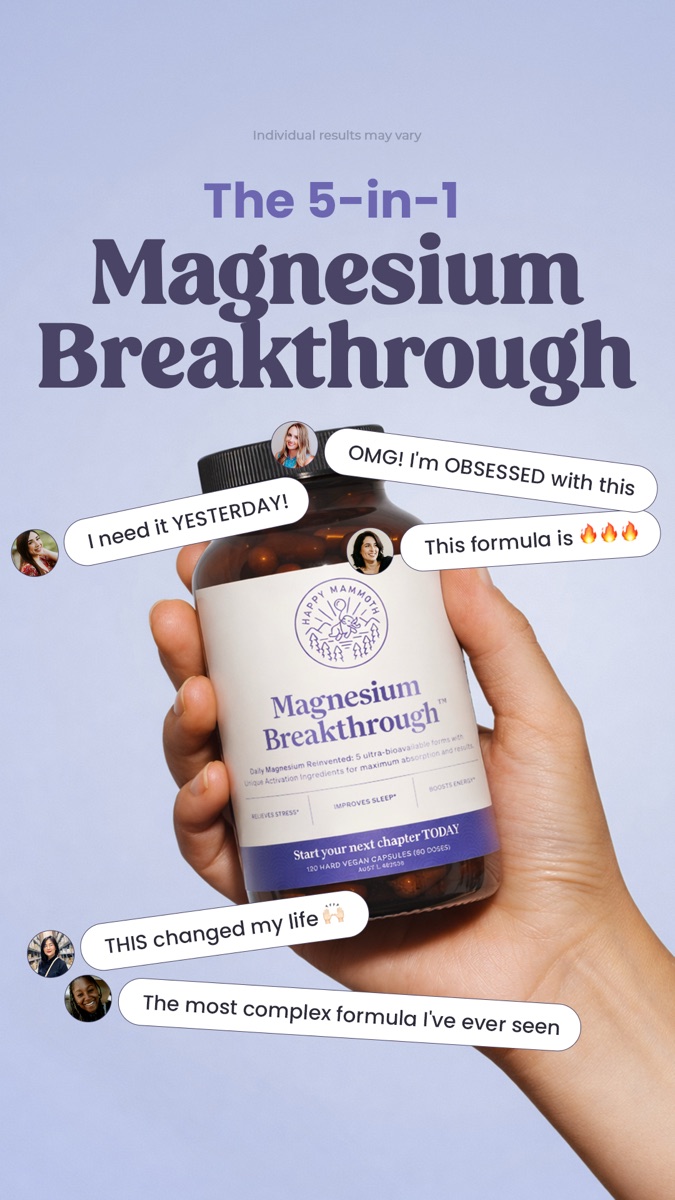
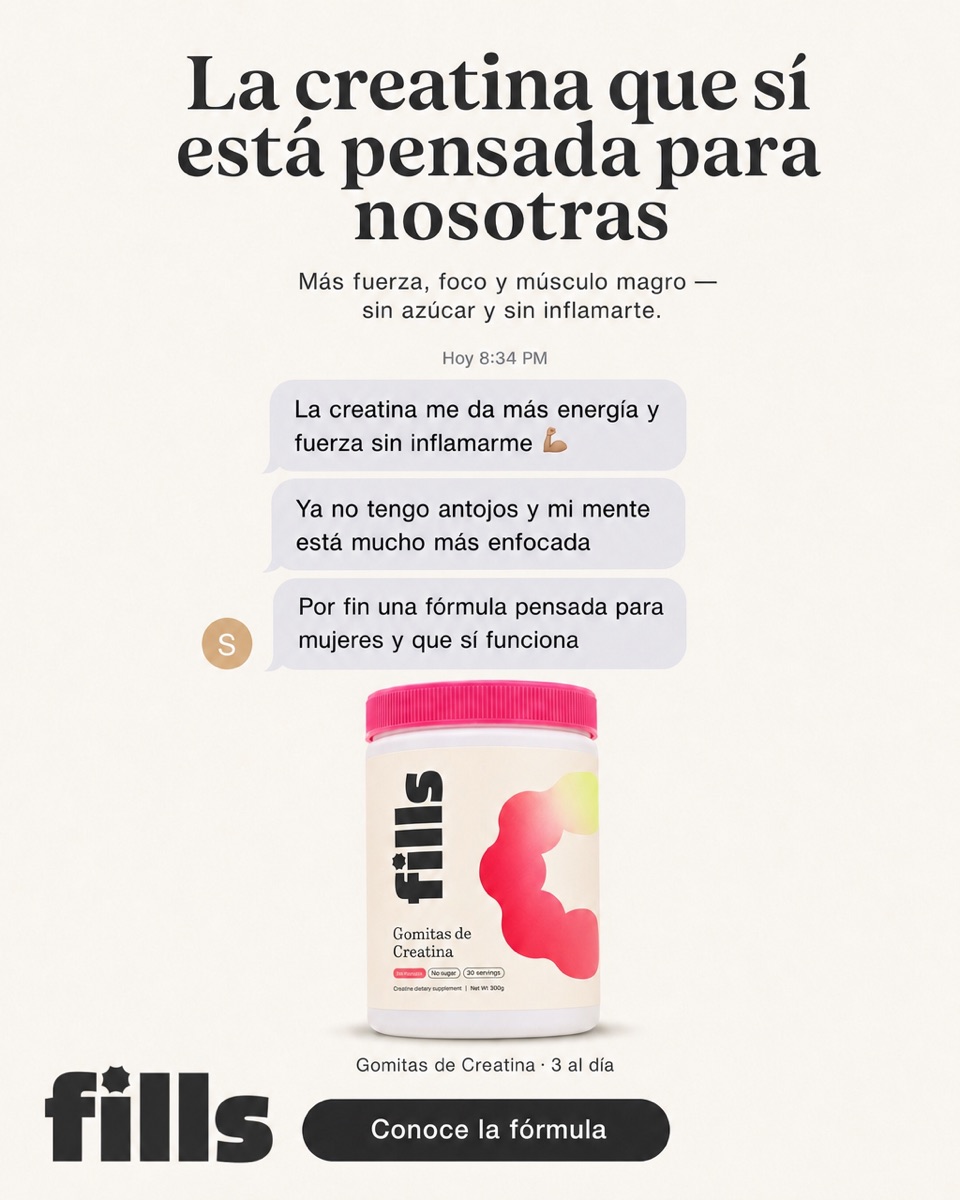
Because the structure comes from a proven ad while the wording comes from you, the copy reads as yours and still follows a sequence that has worked. Marketools also always keeps a replica variant that preserves the benchmark's exact copy formula, so you can test the closest reading against your own edits. The copy ships with the visual, in feed (1:1) and story (9:16) at once, not as loose text you paste in later.
The Spy Center pulls live competitor ads from the public Meta Ad Library, so the formula you start from is one already running in your niche instead of a cold prompt.
Where it stops: Marketools writes ad copy as part of making a static ad for one brand at a time. It is not a general copywriting workspace for blogs, emails, or long-form. If you need copy across the whole funnel, a platform from the groups above fits better.
FAQ
What does an AI ad copy generator produce?
The text for an ad: a headline, body copy, and a call to action, usually in several variants. Some tools return copy only; others write the copy and build the visual together. The quality tracks your input and how much brand detail the tool has to work from.
Is AI-generated ad copy any good?
It is as good as your input and your editing. A generator is fast at drafts and variants, which is where it earns its place, but it does not know which angle fits your buyer. Judge every variant against the fundamentals: benefit first, no fluff, one clear CTA, a claim backed by proof.
Do I still need to write anything myself?
You supply the direction and the final call. The tool drafts; you pick, trim, and adjust so the copy sounds like your brand. Tools that read your product and voice leave you less to fix than ones generating off a bare prompt.
What is the benchmark approach to copy?
You take the copy formula from an ad that already performed, the sequence of hook, promise, proof, and CTA, and fill it with your own product and words instead of writing from nothing. The structure is borrowed; the message is yours.
Knowing the category is step one; the next is writing the ad. To start from a proven copy formula carrying your own words, try Marketools, or open the Spy Center to work from an ad already live in your market. If you would rather write it by hand, how to make a Facebook ad walks through it.
Sources
- Common Thread Collective — Performance Ad Creative for Ecommerce Brands
- Meta for Business — High-Quality Creative Increases Ad ROI
- Shopify — Ecommerce Copywriting: How To Write Words That Sell
- Foreplay — The Swipe File: What is it and how to turn it into your secret weapon
Related reading: The winning static ad formula · Best AI ad generators · How to make a Facebook ad · Spy on competitor ads in the Meta Ad Library